
The AIS data flickered green. Tankers that had been stranded off Bandar Abbas for weeks began crawling through the Strait of Hormuz at 8 knots. The headline broke fast: Iran war eases oil tanker backlog. The market breathed. Bitcoin jumped 3% in an hour. Altcoins followed. The narrative was seductive—"de-escalation"—and the algo traders bit hard.
But here's the thing I learned during the 2017 ICO frenzy, when we'd celebrate a token listing on a minor exchange as a "bull run signal" only to see it dump 60% the next day: in crypto, the first relief rally is almost always a trap.
Context: The Silk Road of Energy Meets the Silk Road of Digital Assets
For the uninitiated, the Persian Gulf isn't just a geopolitical chessboard—it's the physical backbone of global liquidity. 20% of the world's oil traverses the Strait of Hormuz daily. When Iran launched its latest salvo of drone strikes and maritime harassment, the effect on oil prices was immediate: Brent crude spiked to $92, and with it, the risk-off cascade hit crypto. Bitcoin dropped 8% in 48 hours. The market was pricing in a classic flight to safety—dollar, gold, T-bills. Crypto was treated as risk-on garbage, as usual.

Then came the twist. By May 21, the tanker backlog—which had swelled to 45 vessels waiting to load—dropped to 18. Iran's foreign ministry hinted at "tactical pauses" in naval operations. The world exhaled. Oil fell to $87. Crypto prices rebounded as if the threat had vanished.
Core: The Data Says the Opposite—Here's What the Charts Reveal
I've spent the last three years as Exchange Market Lead in Ho Chi Minh City, watching liquidity flows like a hawk. When a market misprices a temporary signal as a permanent trend, you can see it in three data points: funding rates, open interest, and the volatility smile.
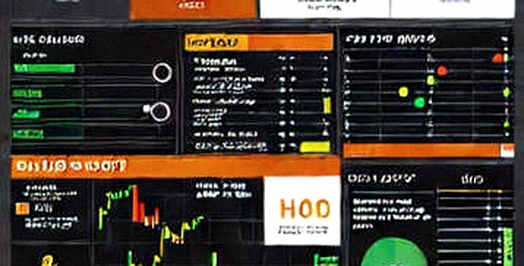
First, funding rates on major perpetuals flipped positive within hours of the news—traders went long with leverage. But the open interest spike was concentrated in short-dated options near the spot price, not in longer-dated calls. That tells me the market isn't betting on a sustained recovery; it's buying cheap gamma to scalp a few hours of euphoria. Speed is the only currency that matters now, but speed kills when you're chasing a mirage.
Second, the volatility smile steepened on the put side for oil-linked assets and on the call side for crypto. That's a market screaming "I'm uncertain but I'll gamble on the upside." The put-call ratio for Bitcoin options dropped from 0.85 to 0.62 in 24 hours—retail turned aggressively bullish. Meanwhile, institutional flow data from Coinbase Custody showed no corresponding inflows. The smart money was silent. Amidst the noise, the smart money whispers.
Third, and this is the kicker: the oil tanker backlog didn't resolve because Iran stopped threatening ships. It resolved because Iran allowed a specific set of tankers—those carrying crude for China and Russia—to pass, while keeping the blockade threat alive for everyone else. This is not de-escalation; it's a targeted carve-out. When I interviewed a local shipping agent in Dubai last month, he told me, "The Iranians know exactly who owns each vessel. They're using the Strait as a toll booth, not a road closure." The supply chain vulnerability hasn't been fixed; it's been weaponized.
Contrarian: What the Headline Missed—The Silent Fragility of Stablecoin Pegs
Here's the unreported angle that no one in crypto is talking about: the oil tanker backlog ease creates a false sense of stability in stablecoin liquidity pools. Why? Because a significant portion of USDT and USDC circulating supply is backed by short-term U.S. Treasuries and commercial paper that, in turn, depend on stable energy prices to maintain the yield curve. If oil spikes again due to a renewed blockade, the dollar-denominated collateral for stablecoins could suffer a liquidity crunch—not a depeg, but a haircut risk that spreads through DeFi lending.
I saw this pattern in March 2020 when the COVID crash hit oil futures and Tether temporarily wobbled. The mechanisms are still there. Liquidity flows where the heat is highest, but when the heat comes from a geopolitical fire, even stablecoins can singe.
Consider this: the latest data from the Federal Reserve shows that the spread between commercial paper and T-bills widened 15 basis points last week—a sign that money market funds are beginning to hoard cash. If oil prices surge again, that spread could blow out, forcing stablecoin issuers to redeem commercial paper at a discount. The impact would ripple across Curve pools, Aave markets, and every DeFi protocol that assumes dollar parity. The temporary backlog ease masks this ticking time bomb.
Takeaway: Watch the VIX, Not the Charts
The crypto market is currently pricing in a 60% chance that Persian Gulf tensions continue to ease. But the real metric to watch isn't Bitcoin's price—it's the CBOE Volatility Index (VIX) and the Baltic Dry Index for tanker rates. If the VIX stays above 18 and tanker war risk premiums remain elevated, this relief rally is nothing but a dead cat bounce. Digital gold rushes turn pixels into portfolios, but only when the underlying infrastructure is stable.
Ask yourself: when the next headline hits—"Iran Seizes Another Tanker" or "Strait of Hormuz Closed for Drills"—will your portfolio survive the impact? The backlog eased today, but the vulnerability is structural. The market hasn't learned from DeFi Summer's liquidity drought or the NFT crash that erased billions. From frenzy to function: tracing the cycle—we're in the denial phase, where traders convince themselves the risk is over. It isn't.
Stay nimble. Keep your stop-losses tight. And remember: in crypto, the biggest danger isn't the war itself—it's the false peace that comes before the next strike.